How long does it take to learn Python? Honest timelines
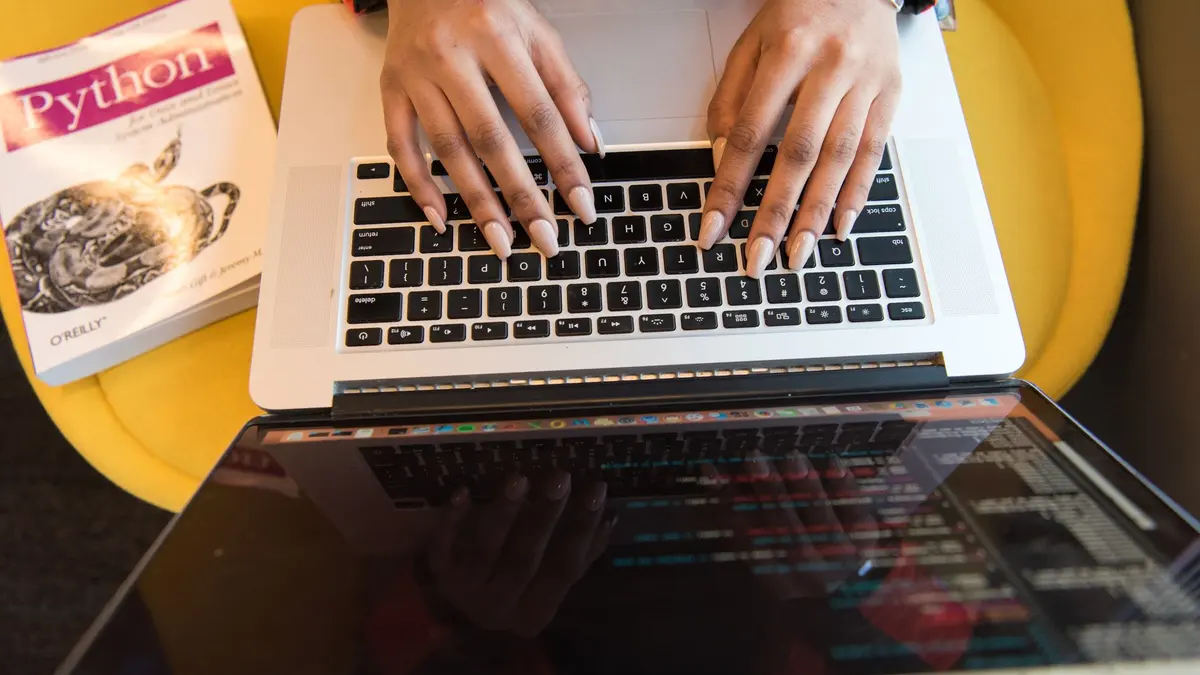
Basics in three to six weeks of short daily sessions. Genuinely useful scripts by month two or three. Job-ready in six to twelve months. The variable that moves those numbers most is not talent. It is what you build between lessons.
The honest timelines
- 3–6 weeks: the fundamentals (variables, loops, functions, lists, files). Enough to write a small script without googling every line. This is what the Python certificate covers.
- 2–3 months: useful automation (renaming a thousand files, scraping a page, cleaning a spreadsheet). The point where Python starts paying rent.
- 6–12 months: job-ready. Real projects with data, APIs and tests, the territory of the advanced certificate.
Those ranges assume 20–30 minutes most days. Twenty focused minutes a day beats a heroic Sunday. Consistency is the only study hack that survives a bad week.
What actually changes the timeline
One thing, mostly: whether your hands are on the keyboard. If your hands weren’t on the code this week, you didn’t practice this week. Watching lessons is orientation, not learning.
A typical upskiller learns in the gaps: twenty minutes before work, one lesson at lunch. Six weeks later the spreadsheet report that used to take a morning takes eleven minutes, because a script does the boring part. Small, boring consistency (not a bootcamp sprint) is what fits around a real life.
Python's popularity helps here: it has topped or led language rankings for years (see the Stack Overflow Developer Survey), which means every error message you'll ever hit has already been answered somewhere.
A week-by-week plan that survives real life
- Weeks 1–2: fundamentals with the official tutorial or a structured course. Type every example; never paste.
- Weeks 3–4: small scripts about your own life: rename your photos, total your spending, check a website.
- Weeks 5–6: one slightly-too-big project. Getting stuck and unstuck is the curriculum.
- Month 3+: automate one genuinely boring task from your job. This is the moment Python becomes permanent.
Use AI to speed up the parts you understand. Using it to skip the understanding is how you end up unable to check its work.
When Python is the wrong first move
If your actual goal is building websites, start with HTML & CSS. You’ll see results in hours and meet programming concepts gently. If your work lives entirely in spreadsheets, Excel data analysis may deliver the same payoff faster. Python is the best general-purpose choice, not the universal one.
Common questions
Can I learn Python in a month?
You can learn the fundamentals in a month of daily practice, enough to write small scripts confidently. A month is a strong start, not the finish line.
Is 30 minutes a day enough to learn Python?
Yes, if the minutes are hands-on. Thirty focused minutes daily outperforms a single three-hour weekend session for almost everyone, because retention comes from frequent retrieval.
Do I need math to learn Python?
No. Everyday Python (automation, files, web work) needs arithmetic at most. Specific fields like machine learning use more math, but that is a later, optional branch.
Should I learn Python or JavaScript first?
Python if your interests are automation, data or general scripting; JavaScript if you specifically want interactive websites. Both are beginner-friendly; picking the one aligned to your goal keeps motivation alive.
Is Python still worth learning now that AI writes code?
Yes, arguably more so. AI assistants produce Python constantly, and the people who benefit are those who can read, judge and fix what the AI wrote. That review skill is exactly what learning Python builds.