How to learn graphic design (a realistic path)
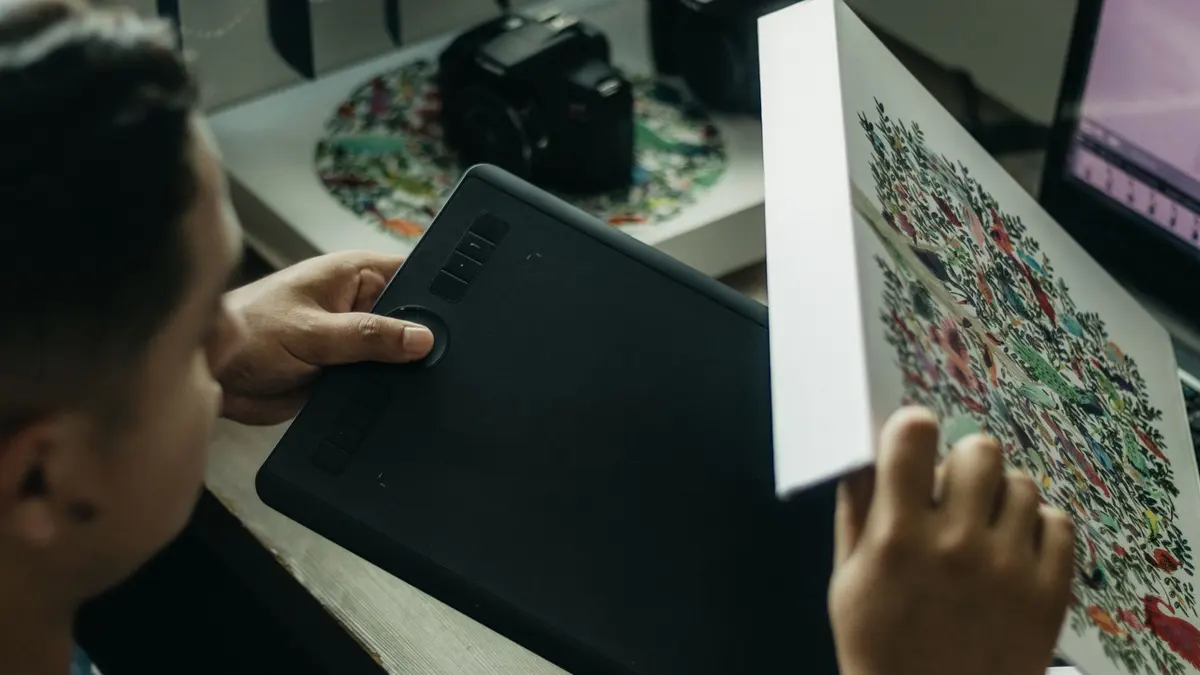
You learn graphic design by making things, not by collecting theory. Here is the path that actually works: one tool, small finished pieces, and a portfolio that grows every week.
Read the postThe Nextversity blog
Every post from all 8 schools in one place. Filter by school or search for the tool you are weighing up.
You learn graphic design by making things, not by collecting theory. Here is the path that actually works: one tool, small finished pieces, and a portfolio that grows every week.
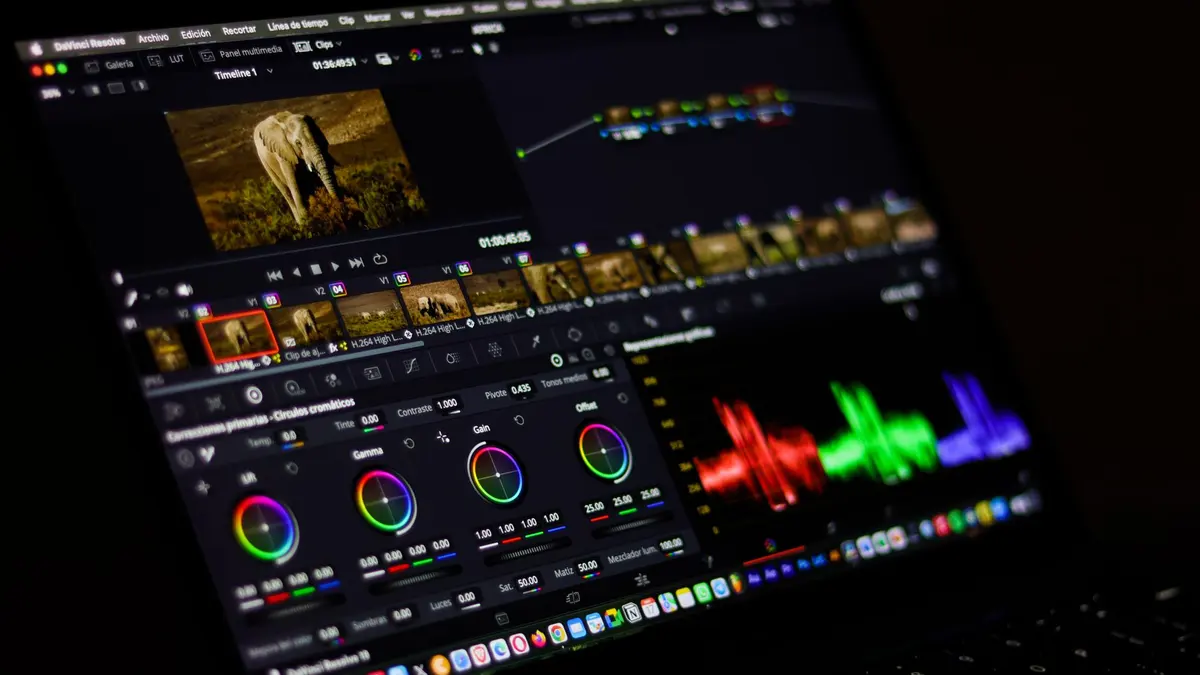
Read the postThree editors cover almost every beginner: CapCut for short-form social video, DaVinci Resolve if you want professional tools for free, and Premiere Pro if you want the industry standard. Here is how to pick in ten minutes.
Read the postBlender feels huge because it is huge: modeling, sculpting, animation, simulation, video editing, all in one window. You learn it by ignoring most of it: navigate, model, texture, light, render. In that order.
Read the postMixing makes the parts of your track sit together so the whole thing sounds clear and balanced. As a beginner, the most useful thing you can do is mix in a fixed order instead of poking at random faders. Order turns an overwhelming task into a checklist.
Read the postMotion graphics is graphic design that moves: titles, logo reveals, explainers and lower thirds. After Effects is the main tool and, for most people, worth learning. One honest caveat: learn to edit first.
Read the postGodot is the friendlier start and completely free; Unity has the bigger job market and ecosystem. Both make real games. The honest answer: the engine matters less than finishing your first small game in it.
Read the postAI video generation turns text and images into short clips, and it has gotten good fast. It is also still short, quirky and hard to control. Here is what the tools actually do today, where they fall apart, and how to start without buying the hype reel.
Read the postTo start making music at home you need four things: a computer you already own, a DAW, a pair of headphones, and a quiet-ish room. That is it. Here is what actually matters, what to skip, and the order to spend in if you do.
Read the postGame design is deciding what the game does and why it is fun. Game development is building the thing that runs. They overlap constantly, and on small teams one person does both, but they are different jobs with different daily work. Here is how to tell which one fits you.
Read the postA good presentation is not a good-looking slide deck. It is a clear argument, delivered by a person, with slides that stay out of the way. Here is how to build one in that order, and how PowerPoint and AI actually help.
Read the postBasics in three to six weeks of short daily sessions. Genuinely useful scripts by month two or three. Job-ready in six to twelve months. The variable that moves those numbers most is not talent. It is what you build between lessons.
Read the postFigma is the free, browser-based standard for designing app and website screens. Learning the tool takes a weekend. Learning to design an interface people can use is the real work. Here is what that involves and how to start.
Read the postA 3D environment is just a lot of small props arranged and lit well. You make your first one by blocking out a small room, modeling a few key objects, texturing, lighting, and rendering. Small scene, real finish, every time.
Read the postBoth are professional editors, so you cannot pick wrong on capability. Resolve is genuinely free with the best color tools; Premiere is subscription-only but the studio default. Here is how to choose by budget and goal.
Read the postMake beats and electronic music? FL Studio. Record instruments and vocals, or arrange bigger productions? Cubase. Both are professional; the right answer is the one that matches your music, and then sticking with it.
Read the postAI at work is not a robot doing your job. It is a fast, tireless assistant that drafts, summarizes and reshapes text and data, then hands it back for you to check. Here is where it genuinely helps, where it quietly fails, and how to use it without embarrassing yourself.
Read the postUnreal Engine 5 makes stunning 3D visuals and uses visual scripting, so you can build without writing code. It is also heavy on hardware and complexity. For most beginners it is a better second engine than a first, unless high-end 3D is the whole goal.
Read the postYou finish tracks by deciding, up front, that this project becomes a complete song no matter how rough, then protecting that decision from your own perfectionism. The reason you have forty loops and zero finished songs is not talent or gear. It is that finishing is a separate skill nobody taught you to practice.
Read the postPrompt engineering is the skill of writing instructions an AI model can execute well: context, constraints, examples and iteration, not magic words. It is the difference between generic output and work you can actually use.
Read the postYou build a portfolio without clients by giving yourself the briefs a client would. Design real solutions to real problems, present the thinking behind them, and keep six to ten pieces you would defend. Here is the method.
Read the postStart freelancing as a side experiment, not a leap: one specific service, three pieces of proof, one platform done properly. Revenue first, resignation letter much, much later.
Read the postModeling is building with clean geometry, like construction. Sculpting is shaping a digital lump of clay, like art class. For a first skill, start with modeling: it teaches the fundamentals every other 3D job depends on.
Read the postIf you want to build websites, learn HTML and CSS before anything else. They are the fastest way to see real results in a browser, and they make everything after them far easier. Here is why, and a weekend-by-weekend path to a page you can publish.
Read the postThese three tools all promise to organize your work, but they are good at different jobs. Notion is a flexible workspace, Airtable is a database that looks friendly, and Monday.com is built to manage people and deadlines. Here is how to match the tool to the team.
Read the postEditing for social is about pace and clarity, not effects. Hook in the first two seconds, cut anything that does not earn its place, add captions, and design for a vertical phone with the sound off. Here is the workflow.
Read the postYou can learn enough SQL to be genuinely useful in two to four weeks of short daily practice. It has one of the fastest skill-to-payoff ratios in tech, which is exactly why it stays quietly valuable. Here is how to learn it, and in what order.
Read the postMaking your first game is less about talent and more about scope. Pick one mechanic, build it with placeholder art, and finish it: menu, win state, restart. A tiny finished game beats a huge unfinished one every time.
Read the postYou do not need three hundred Excel functions. You need about a dozen you can reach for without thinking. Here are the ones that carry most real spreadsheets, what each is actually for, and the moment a pivot table quietly wins instead.
Read the postBlender is not hard so much as huge. One window holds modeling, sculpting, animation, simulation and video editing, so your first look is a wall of buttons for jobs you do not have yet. Learn one corner and the wall becomes a doorway.
Read the postPhotoshop edits pixels, Illustrator draws vectors. If you work with photos, start with Photoshop. If you make logos, icons or illustrations that scale, start with Illustrator. Here is how to choose without owning both.
Read the postLearn Python first if you want the gentlest on-ramp and fast results. Learn Java first if you are aiming at Android or large enterprise systems. Both are excellent starting points, and the one you finish beats the one you agonize over.
Read the postMidjourney gives the best-looking results with the least effort. Leonardo AI gives more control and a generous free tier to practice on. Here is how to pick the one that matches your work, not the one with the loudest fans.
Read the postWant to go deeper than reading? Explore the courses