Home studio setup for beginners: what to buy, and what to skip
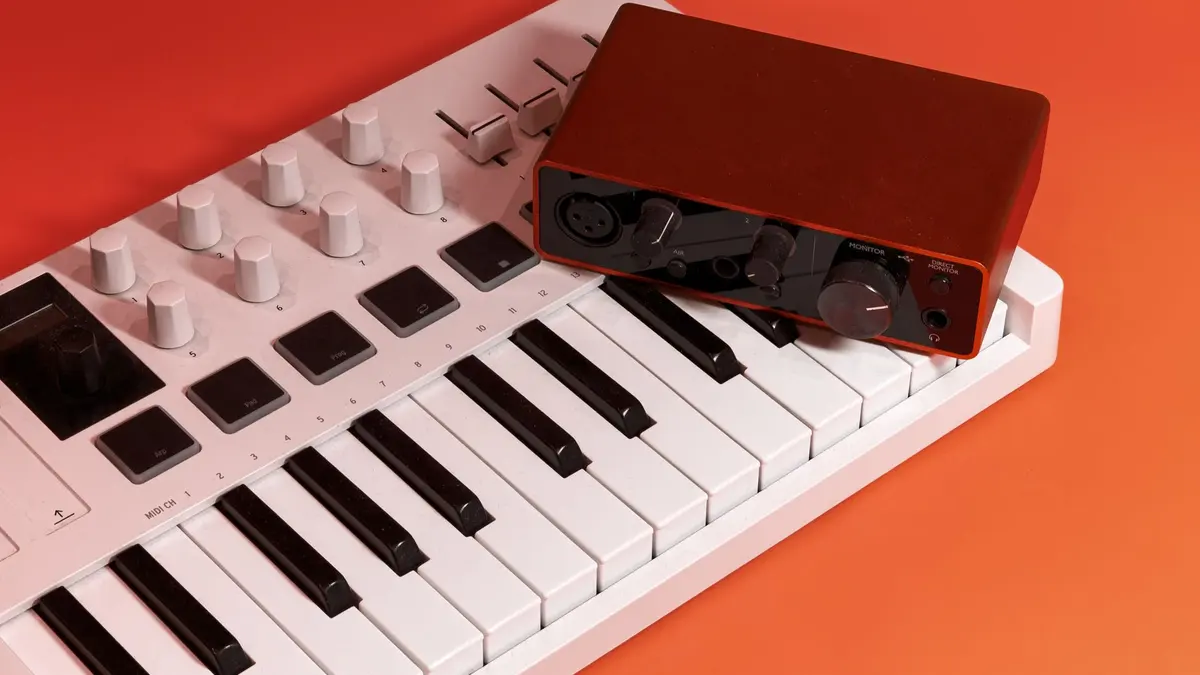
To start making music at home you need four things: a computer you already own, a DAW, a pair of headphones, and a quiet-ish room. That is it. Here is what actually matters, what to skip, and the order to spend in if you do.
The short answer: less than you think
To start making music at home you need four things: a computer you already own, a DAW (the software), a pair of headphones, and a quiet-ish room. That is it. Everything else the internet tells you to buy is either optional, premature, or a way to avoid actually making music.
- A computer: almost any recent laptop or desktop is enough to begin. You do not need a dedicated music PC.
- A DAW: the software you produce in, like FL Studio or Cubase.
- Headphones or speakers: decent headphones are the cheapest honest way to hear your work.
- A room where you can concentrate: the most underrated piece of gear you already have.
You can make a real, finished track with nothing more than that list. Producers do it every day. The gear does not make the music; you do, and the sooner you accept that, the sooner you start.
The four things worth your money, in order
If you do spend, spend in this order. Each step only matters once the one before it is sorted.
- A DAW you will actually stick with. This is the real decision. Pick one and learn it properly rather than hopping between three. Skills transfer; split attention does not.
- A pair of closed-back headphones. Not audiophile luxury, just an honest, fairly flat pair so you hear what is really in your track. This is the highest-impact purchase for most beginners.
- An audio interface, only if you record live sound. Making beats entirely in the box? You do not need one yet. Recording vocals or a guitar? Now it earns its place, along with a microphone.
- Studio monitors, eventually. Speakers designed to be honest rather than flattering. Genuinely useful, and genuinely pointless until your room is quiet enough to hear them properly.
Buy the next item only when your current setup is the thing holding you back. "I could finish this track if I had X" is usually the loop trap wearing a shopping list.
What you do not need yet
Here is where most beginner money goes to die. None of this is bad. It is just early.
- A giant plugin collection. Your DAW ships with more instruments and effects than you can learn in a year. Learn those first.
- A fancy MIDI controller. A nice-to-have, not a need-to-have. You can draw notes with a mouse and finish complete songs that way.
- Expensive microphones, if you are not recording anything yet.
- Acoustic foam bought for looks. Random foam on the wall does far less than people think, and it is not the same as real acoustic treatment.
Every one of these is something to grow into, not to start with. Beginning with them mostly buys you more things to configure instead of more music finished.
Your room matters more than your gear
If you upgrade one thing, make it the listening situation, not the plugin folder. A quiet room and a consistent pair of headphones will improve your tracks more than a rack of expensive tools you cannot properly hear.
You do not need a treated studio to begin. You need a spot where you can concentrate and hear detail: away from a rumbling fridge, a loud street, or a room that echoes like a bathroom. Basic, honest listening beats fancy gear in a bad space every time. When you are ready to go deeper, respected magazines like Sound on Sound cover real acoustic treatment without the hype.
When not to buy anything yet
If you have not finished a single track, do not buy a thing. Open the free demo of a DAW, or the software you already have, and make something end to end first. The finished track will teach you what you actually lack, which is almost never what a gear review told you to want.
And if you already own a setup that works and you are shopping to feel like a producer, close the tabs. New gear is fun, but it is also the most reliable way to avoid the harder, better work of finishing music. When you want a guided path on the software you have, the FL Studio and Cubase certificates take you from empty project to finished track without a single extra purchase.
Common questions
What do I need to start making music at home?
A computer you likely already own, a DAW, a decent pair of headphones, and a quiet place to work. You can finish real tracks with only that. Everything else is an upgrade to add later, if at all.
Do I need an audio interface?
Only if you record live sound like vocals or guitar. If you make beats entirely inside the software, you do not need one yet. Add it when you actually have something to record.
Are headphones or studio monitors better for beginners?
Start with headphones. They are cheaper, they work in a room you have not treated, and they let you produce without annoying anyone. Add monitors later, once your room is quiet enough to hear them fairly.
How much does a beginner home studio cost?
It can cost nothing beyond the computer and software you already have. If you buy, prioritize a good pair of headphones first, then add an interface or monitors only when you clearly need them. Spend on the thing holding you back, not the thing that looks the part.
Do expensive plugins make better music?
No. Your DAW already includes more instruments and effects than you can master in a year, and skilled producers make finished tracks with stock tools daily. Learn what you own before buying more.